
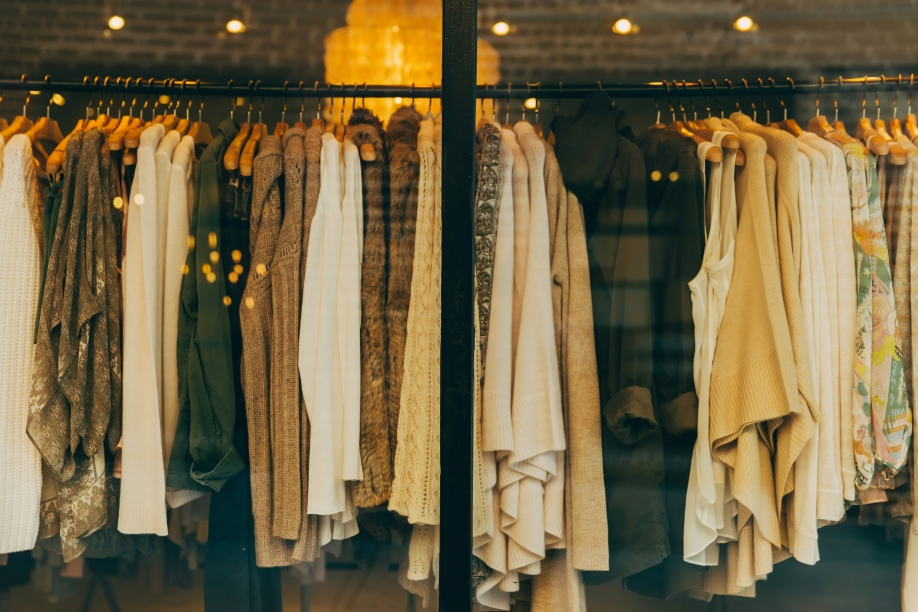
As sustainability becomes a major focus in the fashion and apparel industry, the term eco fabric has gained prominence among designers, brands, and manufacturers. Eco fabric refers to textiles produced with environmentally-friendly processes and materials, reducing the impact on natural resources while maintaining quality and durability. Integrating eco fabrics into clothing lines, uniforms, or promotional apparel has become not just a trend but a responsibility for modern businesses seeking to align with eco-conscious consumers.
What Eco Fabric Means
Eco fabric encompasses textiles made from renewable, recycled, or low-impact materials. These fabrics are designed to minimize harm to the environment at every stage of production, including fiber sourcing, dyeing, and finishing. Popular eco fabrics include organic cotton, bamboo, hemp, recycled polyester, and Tencel, each offering unique properties while supporting sustainability goals.
The focus on eco fabrics goes beyond material choice. Production processes are designed to reduce water usage, limit chemical treatments, and lower carbon emissions. This holistic approach ensures that garments made from eco fabrics are both sustainable and high-quality, making them suitable for retail, corporate, and promotional applications.
Benefits of Eco Fabric
Eco fabrics offer several advantages for businesses and consumers alike. First, they promote environmental responsibility by using renewable or recycled materials and minimizing harmful chemicals. Second, these fabrics are often softer, more breathable, and more comfortable than conventional textiles, enhancing wearer satisfaction.
Durability is another key benefit. Many eco fabrics are designed to maintain their shape, color, and texture even after repeated washing, ensuring long-lasting apparel. From a business perspective, using eco fabrics in branded merchandise or uniforms reflects positively on brand values, demonstrating a commitment to sustainability and ethical practices.
Eco Fabric in Fashion and Apparel
Sustainable fashion relies heavily on eco fabrics to reduce environmental impact while maintaining style and functionality. Organic cotton, for instance, is grown without synthetic fertilizers or pesticides, resulting in healthier soil and water conservation. Bamboo fabric is naturally antibacterial and highly breathable, making it ideal for activewear and casual clothing. Recycled polyester repurposes existing plastic materials, helping reduce waste while offering strength and versatility.
Exploretex integrates eco fabrics into apparel solutions with an emphasis on quality and branding. By combining environmentally-friendly textiles with durable labels and thoughtful design, businesses can offer garments that are both sustainable and professional in appearance.
Customization and Branding Opportunities
Eco fabrics are not only sustainable but also versatile for customization. They are compatible with various printing, embroidery, and labeling techniques, allowing brands to maintain a consistent visual identity. Proper label branding enhances the appeal of eco garments while reinforcing brand values of quality, sustainability, and ethical responsibility.
Exploretex specializes in label branding solutions that work seamlessly with eco fabrics. This integration ensures that logos, brand names, or promotional designs remain sharp and durable while supporting the environmental goals of the company or organization.
Comfort and Performance
Comfort is a crucial factor when selecting fabrics for apparel. Eco fabrics often excel in breathability, softness, and flexibility. Organic cotton and bamboo fabrics, for example, offer gentle textures suitable for sensitive skin, while recycled polyester provides lightweight and moisture-wicking properties ideal for activewear.
Performance is equally important, especially for uniforms or workwear. Durable eco fabrics can withstand frequent washing and physical activity without losing shape or color. This combination of comfort and performance ensures that garments are practical and desirable for everyday use.
Sustainability and Ethical Impact
Sustainability is at the core of eco fabrics. Choosing these materials reduces dependence on non-renewable resources, lowers energy consumption, and minimizes chemical pollution. Ethical production practices, such as fair wages and safe working conditions, further enhance the social responsibility aspect of eco fabrics.
Brands and businesses that prioritize eco fabrics send a strong message to consumers about their commitment to the environment and ethical practices. This transparency builds trust and encourages customer loyalty, which is increasingly valuable in today’s competitive marketplace.
Durability and Long-Term Value
One of the misconceptions about eco fabrics is that they are less durable than conventional materials. On the contrary, many eco fabrics are designed for longevity, maintaining their appearance and functionality over time. Strong stitching, colorfast dyes, and proper finishing techniques ensure that eco garments remain high-quality and usable for years.
For businesses investing in eco fabrics, durability translates to better long-term value. Fewer replacements are needed, reducing overall costs and waste. Sustainable garments also enhance brand perception by demonstrating a commitment to quality and responsibility.
Applications of Eco Fabric
Eco fabrics are widely used across different sectors of the apparel industry. In retail, they are employed for fashion lines, casual wear, and activewear. Corporate and team apparel can benefit from eco fabrics in uniforms, promotional merchandise, or branded clothing. The versatility of these textiles allows for a broad range of designs, colors, and finishes while maintaining eco-conscious principles.
By selecting the right eco fabric, businesses can meet functional needs without compromising on aesthetics or sustainability. Suppliers like Exploretex provide guidance on fabric selection, label branding, and garment design, ensuring that each item meets both environmental and professional standards.
Industry Trends and Future Prospects
The demand for eco fabrics continues to grow as consumers become more environmentally conscious and regulatory standards evolve. Innovations in recycled materials, biodegradable fibers, and low-impact production processes are transforming the textile industry. Businesses that adopt eco fabrics early can position themselves as leaders in sustainability and gain a competitive edge.
Future trends also point to increased customization, with brands seeking fabrics that align with their identity and environmental commitments. Advanced technologies in dyeing, printing, and finishing further expand the creative possibilities for eco garments without compromising sustainability.
Cost Considerations and Investment
While eco fabrics may have higher initial costs compared to conventional materials, their long-term benefits often outweigh the investment. Durability, brand alignment, customer satisfaction, and environmental responsibility contribute to the overall value of sustainable garments. Bulk sourcing and strategic supplier partnerships can also help manage costs while maintaining quality.
Exploretex helps businesses balance cost and quality by providing eco fabric solutions integrated with label branding, ensuring that investment in sustainable materials delivers maximum value for both branding and operational objectives.
Conclusion
Eco fabric represents a transformative approach to apparel, combining sustainability, quality, and branding potential. From organic cotton and bamboo to recycled polyester, eco fabrics reduce environmental impact while offering comfort, durability, and performance. Businesses that incorporate these textiles into their clothing lines or promotional apparel demonstrate responsibility, attract eco-conscious consumers, and reinforce brand identity.
By partnering with experienced providers like Exploretex, companies can access high-quality eco fabrics integrated with professional label branding, ensuring garments meet functional, aesthetic, and ethical standards. As sustainability continues to shape the textile industry, eco fabrics stand at the forefront of innovation, offering long-term benefits for businesses, consumers, and the planet.