
A healthy smile is an important part of overall well-being. It can make everyday activities such as eating, speaking, and socializing more comfortable. While regular brushing and flossing are essential, professional dental care also plays a major role in maintaining strong teeth and healthy gums. A qualified dental professional can identify problems early, provide appropriate treatment, and offer guidance that supports long-term oral health.
One of the main reasons people visit a dental office is for routine examinations. Regular checkups allow dental professionals to look for signs of cavities, gum problems, damaged teeth, and other oral health concerns. Some dental issues may not cause noticeable discomfort during their early stages. Finding them sooner can make treatment simpler and help prevent the problem from becoming more serious.
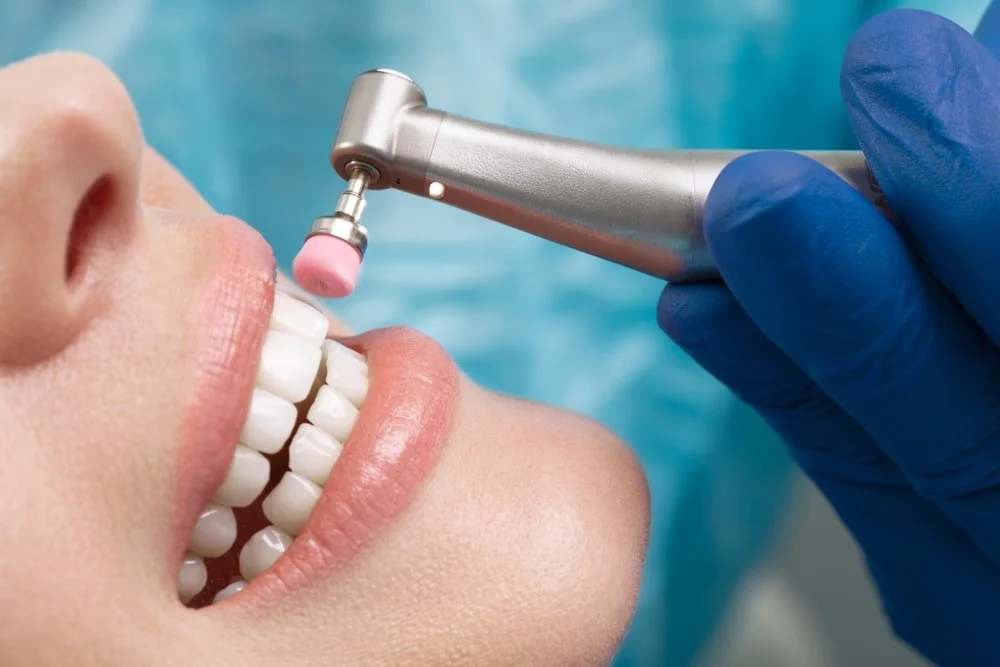
Professional cleaning is another important part of dental care. Even with careful brushing at home, plaque and tartar can build up in areas that are difficult to clean. A professional cleaning removes these deposits and helps keep the teeth and gums in better condition. Maintaining clean teeth can also contribute to fresher breath and a more attractive smile.
When a person experiences tooth pain, sensitivity, swelling, or bleeding gums, professional attention can be especially important. Ignoring these symptoms may allow an underlying problem to progress. A dental examination can help determine what is causing the discomfort and what type of treatment may be appropriate. Searching for pediatric dentist Purcellville, call Treasured Smiles Pediatric Dentistry
A trusted dentist can also help patients understand how their daily habits affect their oral health. Simple factors such as brushing technique, diet, flossing habits, and regular dental visits can make a meaningful difference. Personalized advice can be particularly useful because every person’s dental needs and circumstances are different.
Preventive care is often easier and less complicated than treating advanced dental problems. Dental professionals may recommend fluoride treatments, protective measures, or other preventive options depending on a patient’s needs. Children can also benefit from early dental visits because they can learn healthy habits while becoming comfortable with professional dental care.
Dental care is not limited to treating cavities. Modern dental services may include restorative procedures, cosmetic treatments, tooth replacement, and care for gum health. Restorative treatments can help repair damaged teeth and restore normal function. Cosmetic services may focus on improving the appearance of teeth and creating a more confident smile.
Choosing the right dental professional is an important decision. Patients may consider qualifications, experience, available services, office environment, and communication style. A comfortable and welcoming dental office can make regular appointments easier, especially for people who feel nervous about dental treatment.
Good communication between patients and dental professionals is also valuable. Patients should feel comfortable explaining their symptoms, asking questions, and discussing treatment options. Understanding the purpose of a recommended procedure can help people make informed decisions about their dental care.
At home, consistent habits remain an important part of maintaining oral health. Brushing twice a day with fluoride toothpaste, cleaning between the teeth, limiting excessive sugary foods and drinks, and following professional recommendations can help protect the teeth and gums. These habits work together with regular professional care to support a healthier smile.
Ultimately, dental health requires ongoing attention rather than occasional treatment. Regular examinations, professional cleanings, good daily habits, and timely treatment can all contribute to healthier teeth and gums. By choosing a qualified dental professional and making oral care part of a regular routine, people can protect their smiles and enjoy greater comfort and confidence for years to come.
 tarek tarek