
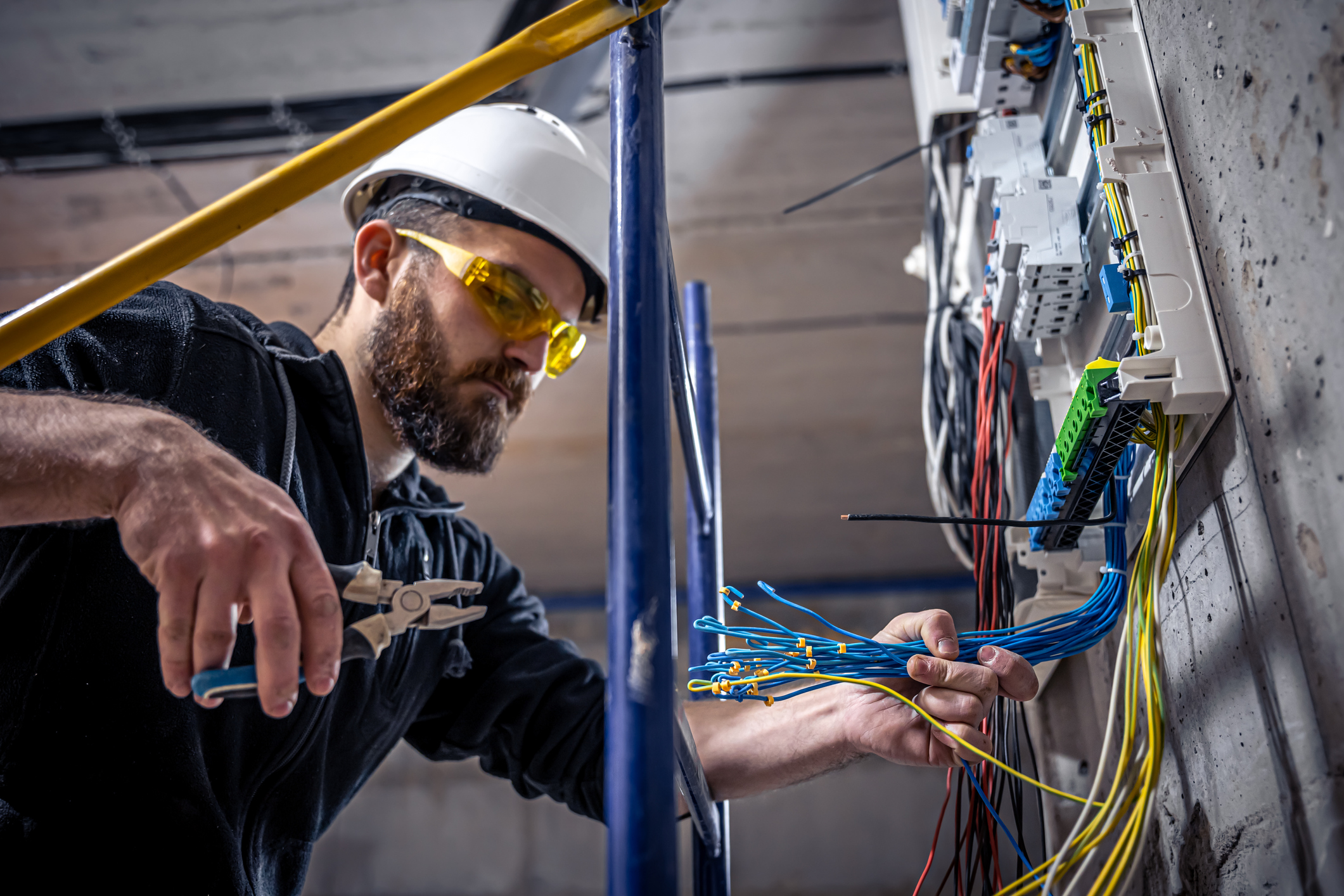
Electricity plays an essential role in everyday life, powering lighting, household appliances, heating and cooling systems, and electronic devices. Although most people depend on electricity throughout the day, they may not think about the condition of their electrical systems until a problem occurs. Regular maintenance, safe installations, and timely repairs can help prevent unexpected disruptions. Working with a qualified electrician is an important step toward maintaining a safe and efficient home.
Recognizing Common Electrical Problems
Electrical issues can develop gradually or appear without warning. Flickering lights, outlets that stop working, frequently tripping circuit breakers, and switches that feel unusually warm may indicate an underlying problem. Burning smells, buzzing sounds, or visible damage around electrical components should also receive immediate attention.
Ignoring these warning signs can increase the risk of equipment damage, electrical shock, or fire. Rather than attempting complicated repairs without proper training, homeowners should arrange a professional assessment. An experienced technician can inspect the affected components, identify possible causes, and recommend suitable solutions. Looking for electricians Triad area contact Kenco Electric.
If an outlet is sparking or there is smoke or a burning smell, keep away from the affected area and seek emergency assistance when necessary. Electrical safety should always take priority over convenience.
The Importance of Professional Installation
Electrical installation involves more than connecting wires and switching on a circuit. Each component must be suitable for its intended use and installed according to applicable electrical codes. Incorrect wiring, inadequate circuit protection, and overloaded connections can create serious hazards.
A professional can help with installing lighting fixtures, replacing switches, adding outlets, upgrading electrical panels, and connecting major appliances. Before starting work, the technician can assess the existing system and determine whether additional circuits or other improvements are required.
Professional installation is particularly important during home renovations. Moving walls, redesigning kitchens, finishing basements, or converting spare rooms can change a property’s electrical requirements. Planning these changes early helps ensure that outlets, switches, and lighting are positioned conveniently and safely.
Improving Energy Efficiency at Home
Many homeowners want to reduce electricity bills without sacrificing comfort. Although energy consumption depends on several factors, upgrading inefficient lighting and improving electrical controls can make a difference.
LED lighting generally uses less electricity than traditional incandescent bulbs and typically lasts longer. Motion sensors, timers, and dimmer switches may also help reduce unnecessary energy use when selected and installed appropriately.
An electrician can review a home’s electrical setup and suggest practical improvements based on the property’s needs. For example, a homeowner who works remotely may benefit from better lighting and appropriately positioned outlets. Someone planning to purchase an electric vehicle may need an assessment to determine whether the existing electrical panel can support a charging station.
Energy efficiency improvements should be chosen according to actual usage rather than unnecessary upgrades. A professional assessment can help homeowners prioritize changes that offer practical benefits.
Electrical Maintenance for Older Properties
Older homes may contain electrical components that are no longer suitable for modern household demands. Additional appliances, computers, entertainment systems, and heating equipment can place greater demands on existing circuits.
Routine inspections can help identify deteriorating wiring, damaged outlets, outdated protection devices, and other concerns. The need for an inspection depends on the property’s age, condition, previous renovations, and any warning signs that appear.
Homeowners should keep records of electrical repairs and upgrades. These records can help future technicians understand the system’s history and make better-informed recommendations. If a property is being purchased, an appropriate electrical inspection can also help identify potential problems before the sale is completed.
Choosing the Right Electrical Professional
Selecting a qualified service provider is an important part of protecting a home. Homeowners should check licensing requirements, relevant experience, insurance, and references where applicable. Electrical regulations differ by location, so it is important to confirm that the professional is authorized to perform the required work.
Clear communication is equally valuable. Before approving a project, ask for an explanation of the problem, the proposed repair, the expected timeline, and the estimated cost. For larger jobs, a written quotation can help prevent misunderstandings about materials, labor, permits, and additional expenses.
A reliable electrician should explain technical issues in understandable language and help homeowners make informed decisions. Professional service should also include appropriate safety precautions and compliance with local regulations.
Conclusion
A safe electrical system supports the comfort, convenience, and everyday operation of a home. Recognizing warning signs, arranging appropriate maintenance, and using qualified professionals for installations and repairs can help reduce risks and prevent avoidable disruptions. With careful planning and responsible electrical practices, homeowners can improve system reliability, manage energy use, and maintain a safer living environment for their families.
 JaDarrion Williams