
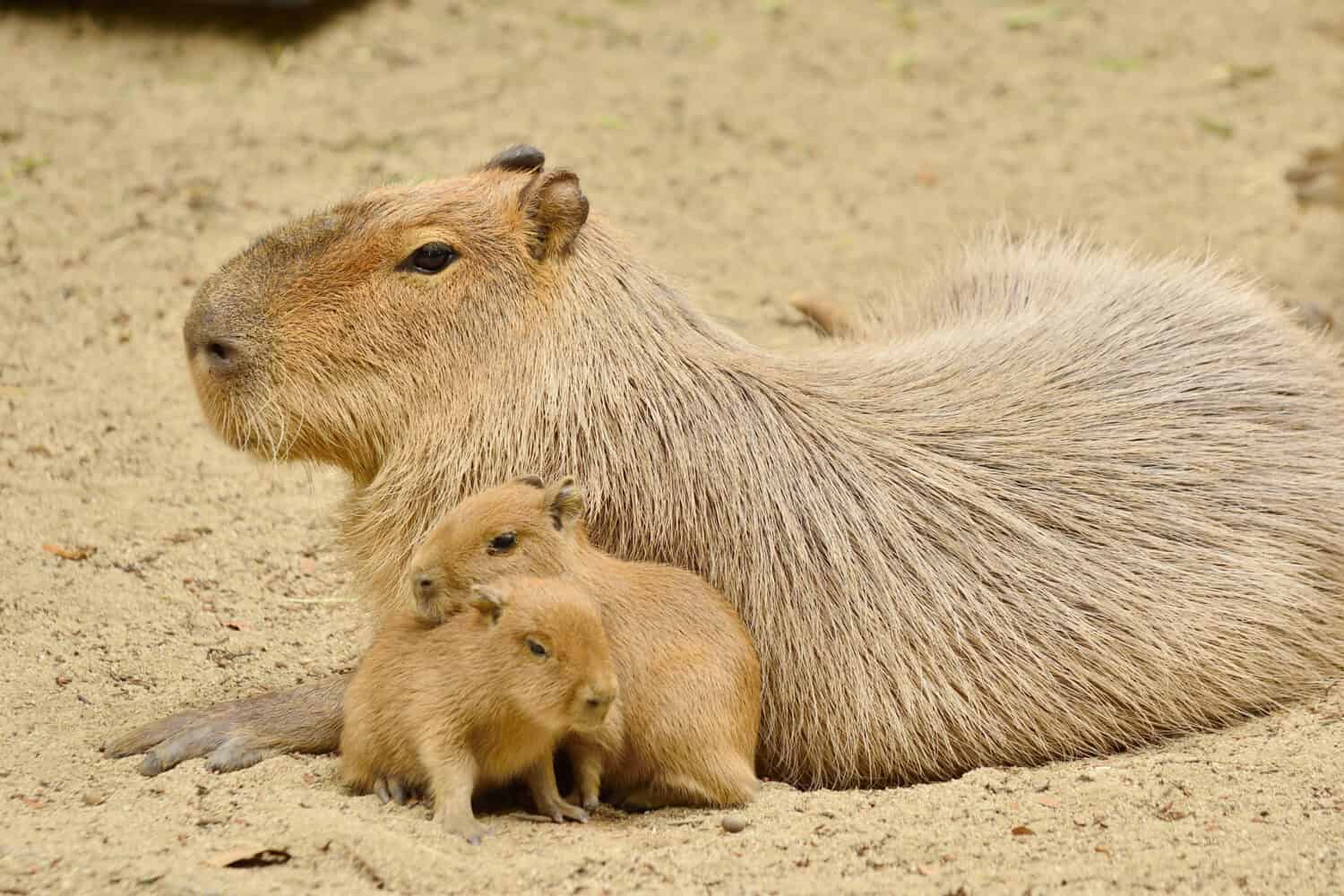
Capybaras are beloved for their gentle nature and sociable personality, but when it comes to Capybara grooming, they have some unique needs that pet owners should be aware of. While they are known to be relatively low-maintenance compared to some other pets, Capybaras do require regular attention to their coat, skin, and hygiene to maintain their health. In this guide, we’ll explore the natural grooming behaviors of Capybaras, what you need to do as a pet care provider, and how to help your Capybara pet stay clean and healthy.
Natural Grooming Habits of Capybaras
In the wild, Capybaras are known for their self-grooming habits. These animals take great care of their coats and skin by using their teeth, paws, and even the environment around them. Unlike many pets that require frequent baths, Capybaras usually maintain their cleanliness on their own, as long as they have a proper environment to thrive in.
One of the key behaviors of Capybaras is their tendency to self-groom. They will often lick their coats, using their tongues to clean their fur, similar to how other mammals groom themselves. Capybaras also have the habit of rubbing against objects like rocks or trees, which helps remove loose hair and dead skin. They might use their teeth to nibble at their fur and remove debris, ensuring their coat remains smooth and clean.
Another fascinating behavior is their love for water. As semi-aquatic animals, Capybaras often spend a significant amount of time in water, and this helps with natural grooming. Swimming allows them to maintain a clean and healthy coat by rinsing off dirt and excess oils. Having access to water not only promotes healthy skin and fur but also supports their natural grooming instincts.
Why Grooming Is Important for Capybara Health
Even though Capybaras are capable of self-grooming, there are still important steps pet owners must take to maintain their Capybara pet’s hygiene and health. Proper Capybara grooming is necessary to avoid issues such as matted fur, skin infections, or parasite infestations. Regular grooming sessions also provide an opportunity for pet care providers to check for signs of illness or injury.
Without proper grooming, Capybaras may experience discomfort or even health issues like excessive shedding, dry skin, or infection. It’s especially important to monitor their skin and coat for any changes, such as redness, bumps, or signs of irritation, which may indicate a need for further care or a visit to the vet.
Additionally, grooming your Capybara pet can strengthen your bond with them, as they enjoy being petted and handled when done gently. Regular grooming sessions can help your pet feel more comfortable and relaxed in your care.
How to Groom Your Capybara Pet: Step-by-Step
While Capybaras are generally good at maintaining their own hygiene, pet care providers still need to assist with some aspects of grooming. Here’s a simple step-by-step guide to Capybara grooming:
- Brushing: Regular brushing is essential to prevent your Capybara pet’s fur from becoming matted or tangled. Use a soft-bristled brush or comb to gently remove loose hair and dirt from their coat. Brushing also helps distribute natural oils, promoting a healthy and shiny coat. Aim for brushing your Capybara pet at least once a week, or more frequently if they are shedding heavily.
- Bathing: While Capybaras do not require frequent baths, it’s important to keep them clean, especially if they’ve been exposed to dirt or outdoor elements. If your Capybara pet gets especially dirty, you can give them a gentle bath using lukewarm water and a mild pet-safe shampoo. Be sure to rinse thoroughly to avoid any irritation. Afterward, let your Capybara pet dry naturally in a warm, safe environment.
- Checking for Parasites: During grooming sessions, always check your Capybara pet for signs of parasites like ticks, fleas, or mites. Capybaras, like many other animals, can be prone to external parasites, especially if they spend time outdoors or in the grass. If you notice any unusual bumps, redness, or irritation, it may be worth consulting a veterinarian for proper treatment.
- Trimming Nails: Just like other pets, Capybaras need regular nail trimming. Overgrown nails can cause discomfort and lead to other issues like infections. Gently trim their nails using pet-safe clippers, being careful not to cut too close to the quick. If you’re unsure how to trim nails, consider seeking advice from a professional groomer or veterinarian.
- Ear Cleaning: Another aspect of Capybara grooming is keeping their ears clean and free from debris. Check the ears regularly for dirt, wax buildup, or signs of infection. Use a damp cloth or cotton ball to gently wipe the outer ear if necessary, but avoid sticking anything into their ear canal. If you notice any unusual odor or discharge, contact your vet.
Maintaining Skin Health and Hygiene
A healthy coat is a reflection of your Capybara pet’s overall health, and taking care of their skin is just as important as grooming their fur. Dry or irritated skin can lead to discomfort, shedding, or even infections. To ensure healthy skin, make sure your Capybara has access to clean, fresh water at all times, as dehydration can contribute to dry skin.
It’s also essential to provide them with a comfortable environment that isn’t too hot or humid, as excessive moisture or heat can cause skin issues. In addition to their natural grooming habits, offering your Capybara pet a space where they can soak and bathe in water will help maintain their skin and fur.
Conclusion: The Importance of Consistent Capybara Grooming
Capybara grooming plays a significant role in maintaining your Capybara pet’s health and happiness. While Capybaras are naturally good at cleaning themselves, they still rely on pet care providers to assist with tasks such as brushing, bathing, and monitoring their overall hygiene. Regular grooming sessions are an opportunity to bond with your pet, check for health issues, and ensure their coat and skin remain in top condition.
By following these simple grooming steps, you can help your Capybara pet stay clean, healthy, and comfortable. Remember, proper grooming isn’t just about appearance—it’s an essential part of maintaining your Capybara pet’s well-being and ensuring they live a long, happy life.