
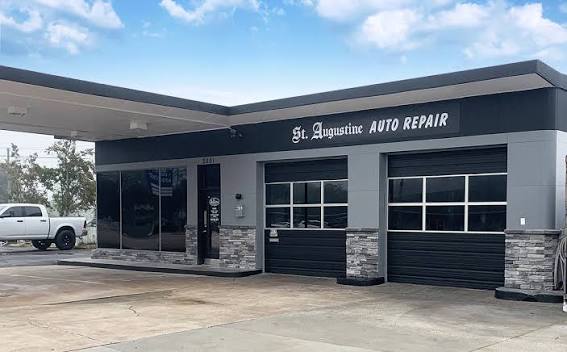
Keeping a vehicle in good condition requires more than filling the fuel tank and driving regularly. Cars contain many mechanical, electrical, and electronic components that work together every time the vehicle is used. Regular inspections and professional maintenance can help identify worn parts, address developing problems, and keep the vehicle operating reliably.
Many vehicle problems begin with small warning signs. An unusual sound, vibration, dashboard warning light, fluid leak, or change in handling may indicate that something needs attention. While some issues may appear minor at first, continuing to drive without investigating them can sometimes lead to more complicated repairs.
Routine oil and filter changes are among the basic maintenance tasks for many vehicles. Engine oil helps lubricate internal components and supports proper engine operation. Over time, oil can become contaminated or lose some of its effectiveness. Following the vehicle manufacturer’s recommended service intervals can help maintain the engine and reduce unnecessary wear.
Brake inspections are another important part of vehicle care. Brake pads, rotors, calipers, and other components can gradually wear through normal use. A professional inspection can identify excessive wear or other issues before they become more serious. Drivers should pay attention to unusual braking noises, vibrations, or changes in braking performance.
Tire maintenance should not be overlooked either. Tires are the only part of the vehicle that directly contacts the road, making their condition important for handling and driving stability. Checking tire pressure regularly and monitoring tread wear can help identify problems early. Tire rotation and wheel alignment may also be recommended depending on the vehicle and driving conditions.
Modern vehicles contain increasingly sophisticated computer systems. Warning lights can appear for many different reasons, and determining the actual cause may require specialized diagnostic equipment. Professional technicians can use diagnostic tools to gather information from the vehicle’s electronic systems and investigate potential faults.
When selecting an auto repair shop, vehicle owners should consider whether the facility offers the services their vehicle may need. Some shops focus on general maintenance, while others may provide specialized engine, transmission, electrical, air conditioning, or suspension services. Understanding the shop’s capabilities before a problem occurs can save time when repairs become necessary.For auto repair shop Forest, VA call Forest Automotive.
Good communication can make the repair experience much easier. Customers should receive a clear explanation of the identified problem and the recommended repair. For larger jobs, asking for an estimate before authorizing work can help with budgeting. It is also reasonable to ask questions about the urgency of a repair and whether there are different repair options.
Preventive maintenance can also help reduce unexpected interruptions. A vehicle that receives regular inspections may have worn belts, aging batteries, leaking fluids, or other developing problems identified earlier. Addressing these issues during scheduled service can be more convenient than dealing with an unexpected breakdown.
Keeping a service history is another useful habit. Records of oil changes, brake work, tire replacements, inspections, and other repairs provide a useful overview of the vehicle’s maintenance. They can also help technicians understand previous work when diagnosing a new problem.
Seasonal changes may create additional maintenance needs. Before periods of extreme heat, cold, or heavy rainfall, owners can check fluids, tires, batteries, windshield wipers, and other important components. Preparing the vehicle for changing conditions can make daily driving more comfortable and dependable.
A professional repair facility can become a valuable resource throughout a vehicle’s life. Developing a relationship with technicians who understand the vehicle’s service history can make future maintenance more straightforward. Consistent care can also help owners make informed decisions about repairs and replacements.
Vehicle maintenance is ultimately about preventing avoidable problems and supporting dependable transportation. By paying attention to warning signs, following recommended maintenance schedules, and choosing qualified professionals for necessary work, drivers can take better care of their vehicles and enjoy a more reliable driving experience.
 JaDarrion Williams