
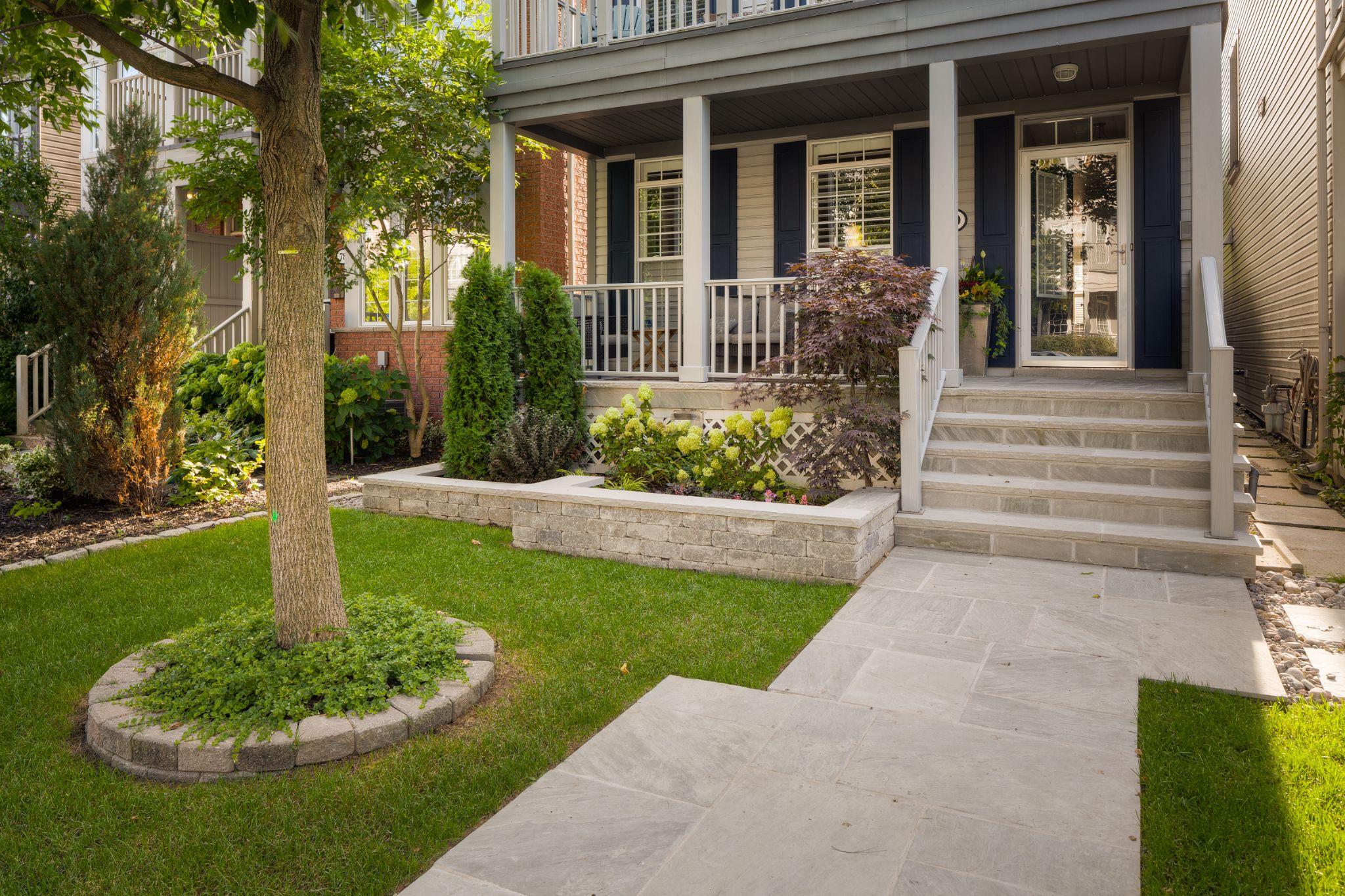
Hardscaping is an important part of landscape design that focuses on the non-living elements of an outdoor space. Features such as patios, walkways, retaining walls, fire pits, outdoor kitchens, and decorative stonework can add both beauty and functionality to a property. With thoughtful planning, hardscaping can turn an ordinary yard into a comfortable and inviting outdoor environment.
One of the biggest advantages of hardscaping is improved outdoor usability. A well-designed patio can create a dedicated area for dining, relaxing, or entertaining guests. Walkways can connect different areas of the property while making movement easier and more organized. These features can help homeowners make better use of their available outdoor space. For outdoor lighting Greensboro call Summit Landscape Innovations.
Material selection is another important consideration. Natural stone, concrete, brick, pavers, and other materials offer different appearances, maintenance requirements, and price points. The best choice often depends on the home’s architectural style, local weather conditions, intended use, and overall landscaping design.
Proper drainage should also be considered during a hardscaping project. Poorly planned surfaces can allow water to collect near buildings or create erosion problems. Professional installation can help ensure that patios, walkways, and other structures are properly graded so rainwater can move away from important areas.
Retaining walls are another popular hardscaping feature. They can help manage sloped areas, create usable planting spaces, and add visual structure to a yard. When properly designed and installed, retaining walls can combine practical benefits with attractive landscaping.
Outdoor living features can make a property more enjoyable throughout the year. Fire pits, seating areas, pergolas, and outdoor kitchens can create comfortable spaces for gatherings and relaxation. These additions can also give a backyard a more finished and personalized appearance.
Before beginning a hardscaping project, homeowners should establish a realistic budget and determine their main goals. It is helpful to consider long-term maintenance as well as installation costs. Durable materials and professional workmanship can reduce future repairs and help preserve the appearance of the outdoor space.
A well-planned hardscaping project can complement plants, trees, and other landscape elements while improving the overall function of a property. Whether the goal is to create an entertainment area, improve accessibility, or enhance curb appeal, professional hardscaping can provide lasting value and a more enjoyable outdoor environment.
 JaDarrion Williams