
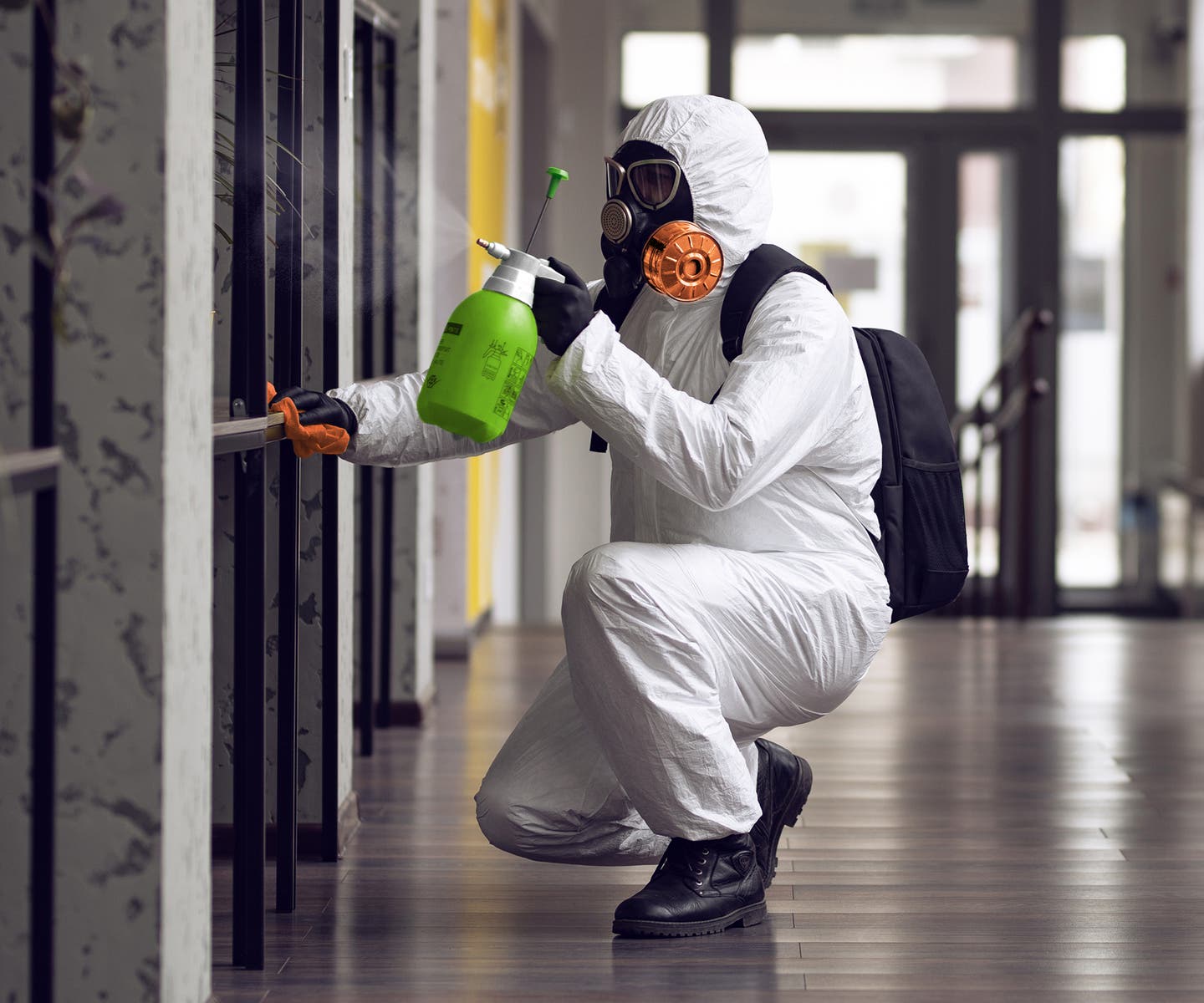
Mold removal is an important part of maintaining a clean, comfortable, and well-maintained property. Mold can develop when moisture remains in an area for an extended period, particularly in bathrooms, basements, kitchens, crawl spaces, and areas affected by leaks or water damage. Addressing the source of moisture is essential for preventing the problem from returning.
The first step in dealing with mold is identifying where the moisture is coming from. Common causes include plumbing leaks, roof problems, condensation, poor ventilation, and previous water damage. Simply cleaning visible mold without correcting the underlying moisture issue may allow it to return.
For small areas, appropriate cleaning methods may be sufficient depending on the surface and situation. However, larger or recurring mold problems can require professional assessment and removal. Experienced professionals have specialized equipment and procedures for containing affected areas and removing contaminated materials safely. For Lynchburg mold removal call First Action Systems.
Proper ventilation is also important. Bathrooms and kitchens can produce significant moisture during normal use. Using exhaust fans, improving airflow, and keeping damp areas dry can help reduce conditions that encourage mold growth.
Water-damaged materials may sometimes need special attention. Porous materials such as certain types of drywall, insulation, carpeting, or ceiling materials can absorb moisture and become difficult to clean completely. A professional can determine whether affected materials can be cleaned or should be replaced.
Homeowners should also pay attention to signs of hidden moisture. Musty odors, discoloration, peeling surfaces, or recurring dampness can indicate a problem behind walls, beneath flooring, or in other less visible areas. Early investigation can help prevent more extensive property damage.
Choosing a qualified mold removal company is important for larger projects. Ask about their inspection process, containment methods, equipment, cleanup procedures, and experience with similar properties. A clear explanation of the work can help homeowners understand what to expect.
After removal, preventing future moisture problems should be a priority. Repair leaks promptly, maintain gutters and drainage systems, improve ventilation, and address condensation when possible. Keeping indoor areas dry can make the environment less favorable for mold growth.
Mold problems should not be ignored, especially when they continue to spread or return. Professional mold removal combined with effective moisture control can help protect the property and maintain a cleaner indoor environment. Acting early is often the best way to prevent a small moisture problem from becoming a larger and more expensive issue.
 JaDarrion Williams