
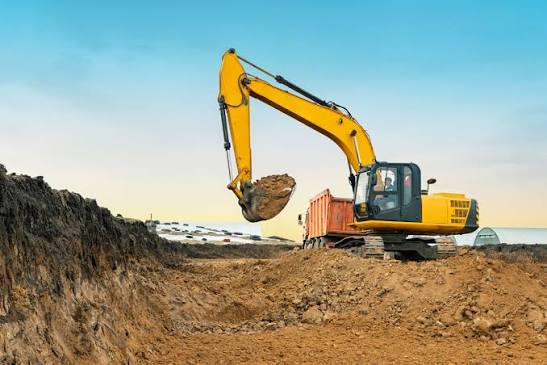
Construction projects often begin long before the foundation is poured. Properly preparing a site is essential for creating a stable, safe, and functional foundation for buildings, driveways, drainage systems, utility lines, and other structures. Professional earthwork and site preparation can help ensure that the land is ready for the next stage of development.
The Role of Site Preparation
Every construction site has different requirements. Some properties may need vegetation and debris removed, while others require significant grading or soil removal. Professional site preparation focuses on creating the appropriate conditions for construction while taking the existing terrain and soil characteristics into account.
Careful preparation can also help reduce complications later in the project. Uneven ground, unsuitable soil, poor drainage, or unexpected underground obstacles can create delays if they are not identified and addressed early.
Common Types of Earthwork
Excavation work can involve several different tasks depending on the project. Digging for foundations is one of the most common applications, particularly for new homes, commercial buildings, and additions.
Professionals may also excavate trenches for utility lines, drainage systems, septic installations, retaining walls, pools, and other structures. Grading and leveling can be necessary when a property has slopes or uneven areas that need to be modified for construction.
The equipment used depends on the size and conditions of the site. Excavators, loaders, bulldozers, trenchers, and other specialized machinery may be used to complete different stages efficiently.
Why Experience Matters
Earthwork requires more than operating heavy machinery. Experienced professionals understand how to approach different soil conditions, slopes, drainage concerns, and site restrictions.
Accurate measurements and careful planning are particularly important when excavation must reach a specific depth or follow a precise layout. Mistakes can affect foundations, utilities, drainage, and other parts of a construction project.
A knowledgeable contractor can assess the site before work begins and develop an approach based on the project’s requirements.
Managing Soil and Materials
Excavation can produce significant amounts of soil and other materials. Contractors need to determine how excavated material will be handled, stored, transported, or reused when appropriate.
Some projects may benefit from reusing suitable soil for grading or landscaping, while unsuitable material may need to be removed from the property. Proper material management helps keep the work area organized and can improve overall project efficiency. For a Smith Mountain Lake excavating contractor check out Wingfield Excavating & Landscaping.
Drainage and Grading Considerations
Water management is an important part of many site preparation projects. Improper grading can cause rainwater to collect around structures or move toward areas where it may create damage.
Creating appropriate slopes and drainage paths can help direct water away from buildings and other important areas. This is especially important when preparing foundations, driveways, parking areas, and other surfaces.
Safety on the Job Site
Heavy machinery and open excavation areas create potential hazards, making proper safety procedures essential. Professional contractors should establish appropriate work zones, follow applicable regulations, and use equipment responsibly.
Before digging, underground utilities and other potential obstacles should be identified. Careful planning can reduce the risk of damaging buried infrastructure and help protect workers and nearby property.
Choosing a Contractor
Property owners should evaluate experience, project capabilities, equipment, communication, and reputation when selecting a contractor. It is also helpful to request a detailed estimate explaining the expected scope of work.
The contractor should understand the project’s goals and communicate clearly about preparation requirements, timelines, material handling, and potential site challenges.
Supporting the Entire Construction Process
Quality excavation and site preparation can provide a strong starting point for many types of construction. When the ground is properly prepared, later stages such as foundation installation, utility work, paving, and landscaping can proceed more efficiently.
Investing in professional preparation at the beginning may also help reduce costly corrections later.
Final Thoughts
Proper land preparation is a fundamental part of successful construction. From foundation digging and trenching to grading, drainage, and material removal, professional earthwork helps transform an undeveloped or uneven property into a suitable construction site.
By choosing an experienced contractor and planning the work carefully, property owners and builders can create safer working conditions, improve project efficiency, and establish a reliable foundation for the construction ahead.
 JaDarrion Williams