
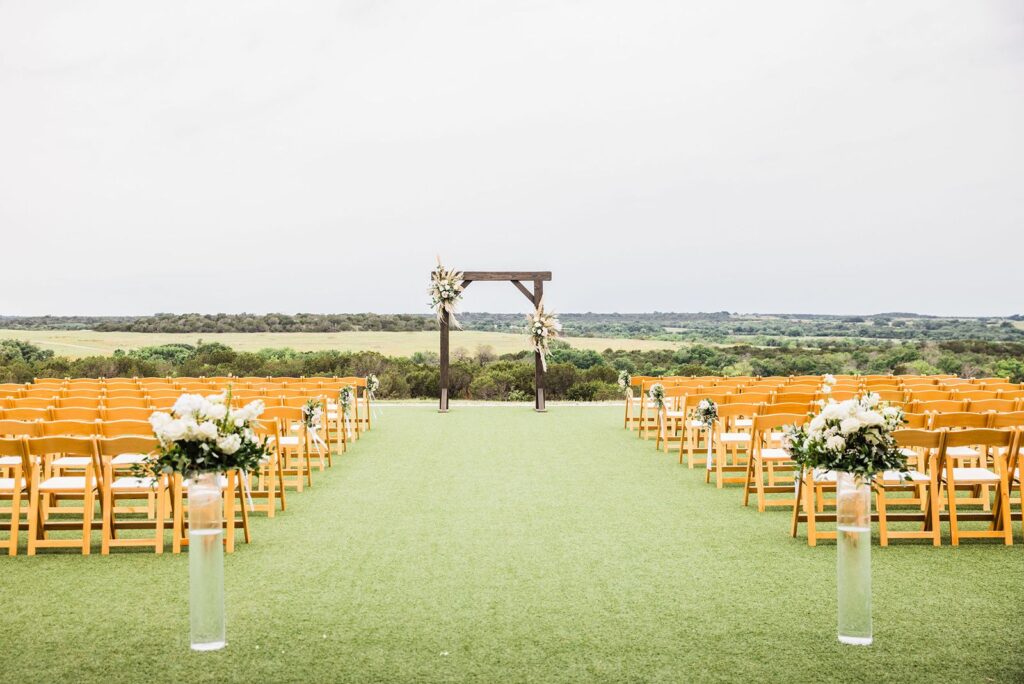
Selecting the right location is one of the most important decisions when planning a wedding. The setting influences the atmosphere, guest experience, photography, schedule, and even the overall budget. With many different styles and options available, couples should carefully compare their needs before choosing a place that will host one of the most memorable days of their lives.
Determine Your Guest List First
The number of guests should be one of the first considerations. A location that feels perfect for a small gathering may become uncomfortable when the guest list grows.
Create a realistic guest estimate before visiting potential locations. Make sure there is enough space for dining, dancing, ceremonies, entertainment, and comfortable movement. Adequate capacity can help prevent a crowded or inconvenient experience.
Choose a Style That Reflects You
Wedding locations come in many styles, including elegant ballrooms, gardens, historic buildings, beachfront properties, country estates, and modern event spaces. The setting should complement the couple’s personality and the type of celebration they have in mind.
Think about whether you want a formal, romantic, rustic, modern, or relaxed atmosphere. Choosing a setting that naturally supports the desired theme can reduce the need for excessive decoration.
Consider the Location
Accessibility is important for both the couple and their guests. Consider travel distance, parking availability, public transportation, nearby accommodations, and road conditions.
A convenient location can make the event easier for everyone to attend. This becomes particularly important when guests are traveling from different cities or regions.
Review Available Facilities
Before making a reservation, check what the property actually provides. Some locations may include tables, chairs, lighting, sound equipment, dressing rooms, kitchen facilities, or event staff.
Others may require couples to arrange these services separately. Understanding what is included can make it much easier to calculate the true cost of the event.
Think About Food and Catering
Food is often a major part of a wedding celebration. Some locations have an in-house catering team, while others allow outside caterers.
Ask about menu options, tasting sessions, dietary accommodations, service styles, and additional food-related fees. Knowing these details early can prevent unexpected restrictions or expenses later.
Plan for Photography
The surroundings can have a major impact on wedding photographs. Beautiful gardens, architectural details, scenic outdoor areas, and attractive indoor spaces can provide a variety of backgrounds.
During a site visit, look for locations that offer good natural light and suitable areas for portraits. Also consider whether there are backup spaces available in case of rain or other weather changes.
Ask About Weather Plans
Outdoor celebrations can create a beautiful atmosphere, but weather conditions are unpredictable. A reliable location should have a practical backup plan for rain, excessive heat, strong wind, or other unexpected conditions.
Ask whether an indoor alternative is available and whether additional fees apply for changing the setup. A clear weather plan can provide peace of mind during the planning process. Looking at micro weddng venues Virginia, call Vaughan House.
Understand the Schedule
Some event locations have strict time limits for setup, ceremony, reception, and cleanup. Others may offer more flexibility.
Ask when vendors can arrive, when decorations can be installed, and when the venue must be cleared. Understanding these timing requirements can help coordinate photographers, caterers, entertainers, decorators, and other professionals.
Review the Contract Carefully
Before signing an agreement, carefully review pricing, deposits, cancellation policies, overtime fees, guest limits, restrictions, and included services.
Ask questions about anything that is unclear. A detailed written contract can help protect both the couple and the property while preventing misunderstandings later.
Consider Your Overall Budget
The rental fee is only one part of the wedding budget. Decorations, catering, entertainment, transportation, staffing, rentals, photography, and other services can increase the total cost.
Create a complete budget before committing to a location. Comparing the total expected expense of different options can provide a more accurate basis for decision-making.
Conclusion
Choosing the right wedding location requires more than finding a beautiful space. Couples should consider guest capacity, location, facilities, catering, photography opportunities, weather plans, scheduling, contract terms, and the overall budget. Careful comparison and a thorough site visit can make the planning process easier and help create a comfortable, attractive setting where meaningful memories can be shared with family and friends.
 JaDarrion Williams