
Every parent wants to give their children the best possible start in life. From infancy through the early childhood years, kids and babies experience incredible physical, emotional, and intellectual growth. Providing proper care, healthy nutrition, and a loving environment helps children build the foundation they need for lifelong success. Understanding the changing needs of kids and babies allows parents to make informed decisions that support every stage of development.
The earliest years are considered the most important period of growth. Babies develop rapidly, learning to recognize faces, respond to voices, crawl, walk, and eventually communicate with words. During this time, parents play the most significant role in encouraging healthy development. Talking, smiling, cuddling, and responding to a baby’s needs help strengthen emotional security while supporting brain development.
Nutrition is one of the biggest factors that influence healthy growth. During infancy, breast milk or infant formula provides the nutrients necessary for proper development. As Best Baby Carriers begin eating solid foods, introducing a variety of fruits, vegetables, grains, dairy products, and protein sources helps create healthy eating habits. Avoiding excessive sugar and processed foods gives children a better chance of maintaining good health as they grow older.
Hydration is equally important for kids and babies. Babies receive most of their fluids through breast milk or formula, while older children should be encouraged to drink plenty of water throughout the day. Limiting sugary drinks supports dental health and reduces unnecessary calorie intake. Parents who model healthy drinking habits often encourage children to do the same.
Sleep is essential for both physical and mental development. Babies spend much of their day sleeping because growth hormones are highly active during rest. As children grow, establishing regular bedtime routines helps improve sleep quality. Reading stories, reducing noise, and creating a calm bedroom environment help children relax before bedtime. Consistent sleep schedules also improve mood, learning ability, and overall behavior.
Safety remains a top priority in every home with kids and babies. Childproofing reduces the risk of accidents by securing furniture, locking cabinets, covering electrical outlets, and removing choking hazards. Parents should also use properly installed car seats, supervise bath time, and teach basic safety rules as children become more independent. Taking preventive measures creates a secure environment where children can safely explore and learn.
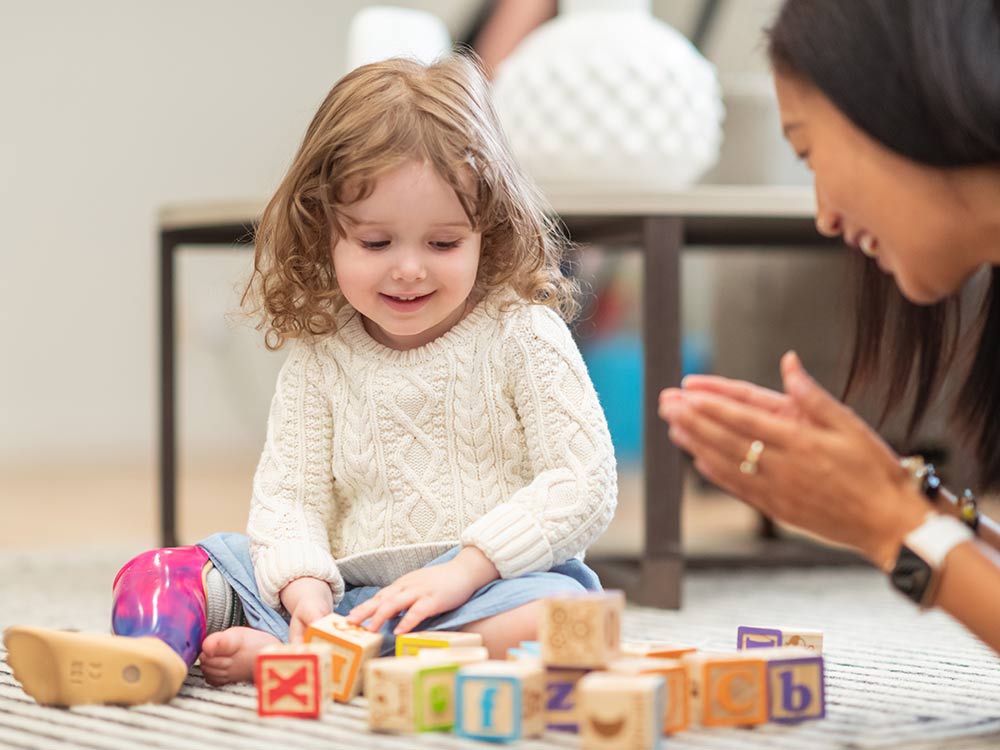
Playtime offers much more than entertainment. It is one of the most effective ways children develop important life skills. Building blocks improve motor coordination, puzzles encourage problem-solving, and pretend play strengthens creativity and communication. Outdoor activities such as running, climbing, and playing ball help improve physical fitness while promoting healthy social interaction with other children.
Reading to kids and babies every day creates valuable learning opportunities. Even infants benefit from hearing stories because they become familiar with language patterns and sounds. As children grow, books help expand vocabulary, improve concentration, and develop imagination. Parents who make reading part of their daily routine often inspire a lifelong love of learning.
Emotional well-being is just as important as physical health. Children need affection, encouragement, and reassurance to build confidence. Positive parenting techniques such as praising effort instead of perfection help children develop resilience. Listening carefully to children’s thoughts and emotions strengthens trust while teaching healthy communication skills. A supportive family environment allows children to feel safe expressing themselves.
Healthcare plays a major role in raising healthy children. Routine medical checkups allow healthcare professionals to monitor growth, developmental milestones, vision, hearing, and overall wellness. Vaccinations help protect children from serious illnesses while regular dental visits support strong teeth and healthy gums. Preventive healthcare often identifies small concerns before they become larger problems.
Choosing the right products for kids and babies contributes to both comfort and safety. Parents should look for clothing made from soft, breathable fabrics that are gentle on sensitive skin. Baby strollers, cribs, high chairs, and car seats should meet recognized safety standards. Age-appropriate toys made from non-toxic materials encourage safe play while supporting learning and development.
Technology has become part of modern parenting, but moderation is important. Educational videos and interactive learning apps can provide valuable experiences when used responsibly. However, experts recommend balancing screen time with physical play, family interaction, and outdoor exploration. Encouraging hobbies such as drawing, music, sports, and crafts helps children develop diverse skills beyond digital devices.
Healthy routines help children feel secure and organized. Regular meal times, bedtime schedules, play periods, and family activities provide structure that supports emotional stability. Children who understand daily routines often adapt more easily to new experiences and transitions such as starting preschool or kindergarten.
Physical activity should be encouraged every day. Babies naturally strengthen muscles through tummy time, crawling, and walking. Older children benefit from active games, sports, swimming, cycling, and playground activities. Exercise supports heart health, strengthens bones, improves coordination, and reduces stress. Active children often develop healthier lifestyles that continue into adulthood.
Teaching good manners and positive behavior begins early. Saying “please,” “thank you,” sharing with others, and respecting family members are valuable lessons children learn through observation. Parents who consistently model kindness, patience, and honesty help children develop strong character and social skills that benefit them throughout life.
Parents should also recognize that every child grows differently. Some children speak earlier, while others develop physical skills more quickly. Comparing children with others can create unnecessary stress. Instead, celebrating each child’s individual progress encourages confidence and creates a positive learning environment where children feel accepted and valued.
Strong family relationships provide lasting emotional support. Spending quality time together through family meals, weekend outings, storytelling, and simple conversations helps children feel connected and loved. These moments create meaningful memories while teaching values such as compassion, responsibility, and respect.
Creativity should be encouraged from an early age. Activities such as coloring, painting, singing, dancing, building with blocks, and imaginative games stimulate brain development while allowing children to express their personalities. Creative experiences also improve problem-solving abilities and encourage curiosity about the world.
In conclusion, caring for kids and babies involves balancing nutrition, safety, healthcare, education, emotional support, and meaningful family relationships. Every positive interaction contributes to healthy development and builds confidence that lasts a lifetime. By creating a loving environment filled with learning opportunities and healthy routines, parents give their children the strongest possible foundation for a happy, successful, and healthy future.
 JaDarrion Williams
  Mamunnur Roshid