
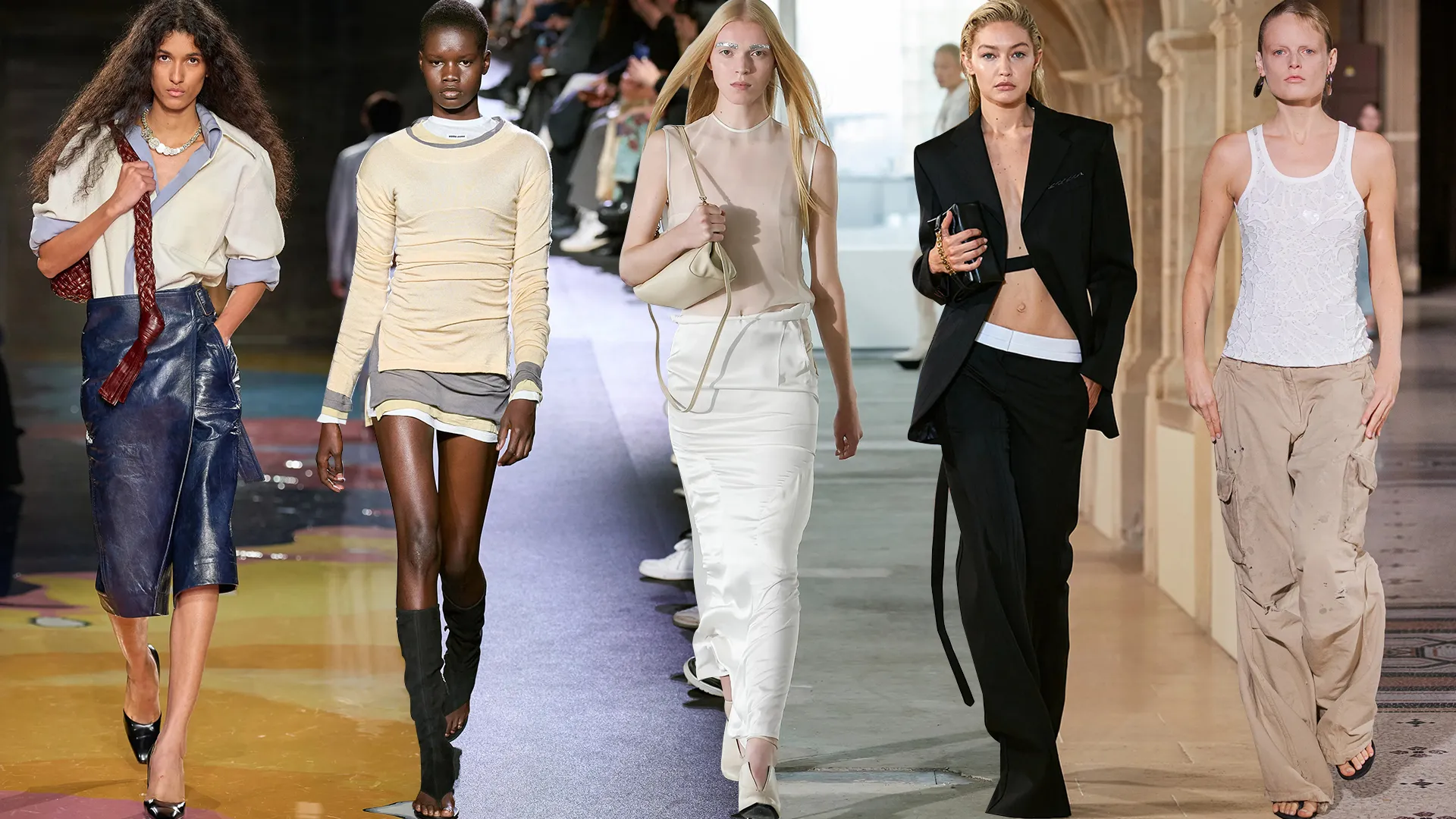
Luxury fashion has long been a Luxury Fashion Brands symbol of sophistication, status, and artistry. For women, luxury fashion brands represent more than just clothing—they reflect identity, confidence, and personal expression. From timeless couture houses to modern minimalist labels, women’s luxury fashion continues to evolve while preserving its heritage of craftsmanship and exclusivity.
The Essence of Women’s Luxury Fashion
At its core, women’s luxury fashion is defined by quality, design, and exclusivity. These brands use premium materials such as silk, cashmere, and fine leather, combined with expert tailoring and innovative techniques. What sets luxury fashion apart is the attention to detail—every stitch, cut, and embellishment is carefully considered.
Brands like Chanel and Dior have built their reputations on timeless elegance. Their designs often transcend trends, making them investment pieces that remain stylish for decades. Women who wear these brands often seek both beauty and longevity in their wardrobes.
Iconic Luxury Brands for Women
Several luxury brands have become iconic in women’s fashion due to their influence and heritage:
- Gucci: Known for its bold designs, vibrant patterns, and modern reinterpretation of classic styles, Gucci appeals to women who love to make a statement.
- Louis Vuitton: Famous for its monogrammed bags and travel accessories, Louis Vuitton blends tradition with innovation.
- Prada: Prada offers minimalist yet sophisticated designs that emphasize clean lines and contemporary aesthetics.
- Hermès: Renowned for its craftsmanship, especially in leather goods like the Birkin and Kelly bags, Hermès represents ultimate exclusivity.
- Versace: Known for glamorous and daring designs, Versace celebrates bold femininity and confidence.
Each of these brands caters to different styles, yet all share a commitment to excellence and innovation.
Why Women Choose Luxury Fashion Brands
Women are drawn to luxury fashion for several reasons. First is quality. Unlike fast fashion, luxury pieces are designed to last, often becoming wardrobe staples. Second is exclusivity. Limited collections and high price points make these items rare, adding to their appeal.
Another important factor is brand heritage. Many luxury houses have decades—or even centuries—of history. Wearing a piece from Burberry or Fendi connects women to a legacy of craftsmanship and design excellence.
Additionally, luxury fashion offers a sense of empowerment. The right outfit can boost confidence and create a strong personal image, whether in professional settings or social events.
Trends in Women’s Luxury Fashion
While tradition plays a key role, luxury fashion is constantly evolving. Today’s trends reflect changing consumer values and lifestyles:
1. Sustainable Luxury
Sustainability has become a major focus. Brands are adopting eco-friendly materials, ethical production methods, and transparent supply chains. Companies like Stella McCartney are leading the way by promoting cruelty-free and environmentally responsible fashion.
2. Quiet Luxury
“Quiet luxury” emphasizes understated elegance over flashy logos. Neutral colors, simple designs, and high-quality fabrics define this trend. Brands such as The Row exemplify this minimalist approach.
3. Digital Influence
Social media and online platforms have transformed how women interact with luxury brands. Influencers and celebrities often showcase the latest collections, making luxury fashion more accessible and aspirational.
4. Customization and Personalization
Luxury brands now offer personalized services, allowing women to customize products to suit their preferences. This enhances the exclusivity and emotional value of each item.
Investment Value of Luxury Fashion
Luxury fashion is not just about style—it can also be a smart investment. Certain items, especially handbags from brands like Hermès or Chanel, often increase in value over time. Limited editions and classic designs are particularly sought after in resale markets.
Moreover, luxury clothing and accessories maintain their quality for years, making them cost-effective in the long run compared to cheaper alternatives that wear out quickly.
Challenges in the Luxury Market
Despite its appeal, the luxury fashion industry faces challenges. Counterfeiting is a major issue, with fake products flooding markets worldwide. This not only affects brand reputation but also misleads consumers.
Another challenge is balancing exclusivity with accessibility. As brands expand globally, they must maintain their prestige while reaching new audiences. Economic fluctuations can also impact consumer spending on high-end products.
The Future of Women’s Luxury Fashion
The future of women’s luxury fashion looks promising, driven by innovation and changing consumer preferences. Technology, such as virtual fashion shows and augmented reality shopping experiences, is reshaping the industry.
At the same time, inclusivity is becoming more important. Luxury brands are expanding their size ranges and embracing diversity in their campaigns, reflecting the modern woman’s identity.
Conclusion
Women’s luxury fashion brands represent a blend of tradition, creativity, and empowerment. From iconic houses like Chanel and Dior to modern innovators, these brands continue to shape the global fashion landscape.
For women, investing in luxury fashion is about more than owning beautiful items—it’s about expressing individuality, embracing quality, and celebrating timeless elegance. As trends evolve and new ideas emerge, luxury fashion will remain a powerful symbol of style and sophistication for generations to come.
 tarek tarek