
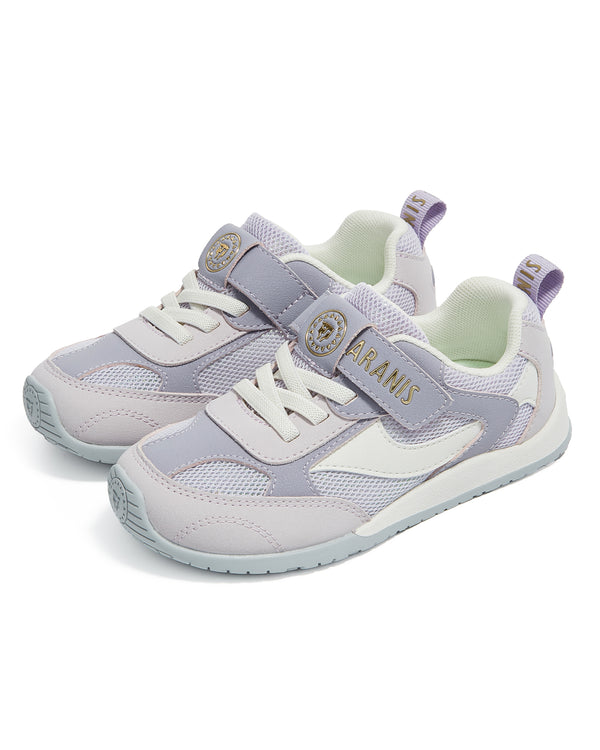
Selecting the right footwear for babies is more than a matter of style; it is essential for their comfort, safety, and proper development. Babies’ feet are delicate and grow rapidly, so providing shoes that protect, support, and allow natural movement is crucial. Parents seeking reliable and high-quality options often turn to Baby Shoes, which offer a variety of designs that balance comfort, durability, and safety for tiny, growing feet.
The Importance of Proper Fit
The foundation of any good pair of baby shoes is proper fit. Babies’ feet grow quickly, often in uneven spurts, making regular measurement essential. Shoes that are too tight can restrict circulation, irritate the skin, or impede natural foot development. Conversely, shoes that are too loose may slip off, cause instability, or create tripping hazards. Well-fitted shoes should allow toes to wiggle freely while offering gentle support to the heel and arch. Leaving a small amount of extra room at the toe ensures comfort while accommodating growth, which is vital as your baby begins to crawl, stand, and take their first steps.
Choosing the Right Materials
Materials play a key role in the comfort and safety of baby shoes. Soft, breathable fabrics such as cotton or mesh help prevent sweat buildup, reduce odor, and lower the risk of irritation or rashes. Leather is another excellent option, as it is flexible, durable, and molds naturally to the shape of the foot over time. The soles should be soft yet slightly supportive, allowing babies to feel the ground beneath them while providing the grip needed for crawling and early walking. Choosing high-quality materials ensures that baby shoes are not only comfortable but also long-lasting, even with daily use.
Shoes for Different Stages of Development
Babies’ footwear needs change as they grow. For newborns, shoes are mostly protective or decorative, keeping tiny feet warm without restricting movement. Soft booties or slip-on shoes are ideal at this stage. Once babies begin to crawl, shoes with flexible soles and non-slip bottoms help them gain stability and confidence. When babies start walking, shoes with lightweight cushioning, secure fastenings, and gentle arch support become essential. Selecting shoes appropriate for each stage of development encourages natural foot growth while providing the support needed for safe exploration.
Supporting Healthy Foot Growth
Shoes are vital for healthy foot development. Properly designed baby shoes encourage correct posture, balance, and muscle development. Footwear that is too rigid or poorly fitted can contribute to foot deformities, walking difficulties, or discomfort as the child grows. Shoes should allow natural movement while offering subtle support, helping babies strengthen the muscles in their feet and legs. A balance between flexibility and stability ensures that babies can crawl, stand, and walk comfortably while building a foundation for strong, healthy feet.
Encouraging Style and Personality
Even though babies do not select their shoes, parents often enjoy choosing designs that reflect personality and style. Baby Shoes are available in a variety of colors, patterns, and playful designs, making it easy to combine practicality with fun. Choosing shoes that your baby finds visually appealing can make putting on shoes an enjoyable experience and help foster a positive attitude toward wearing them. Stylish shoes can be both functional and aesthetically pleasing, providing protection while allowing parents to express creativity through their child’s wardrobe.
Caring for Baby Shoes
Proper care ensures that baby shoes remain supportive and comfortable over time. Cleaning shoes regularly prevents damage from dirt, moisture, or bacteria. Leather shoes may benefit from occasional conditioning to maintain softness and flexibility, while fabric shoes can be washed gently to preserve hygiene. Rotating between multiple pairs helps maintain the shape and cushioning of each pair, ensuring that your baby’s feet are always protected. Proper maintenance extends the life of shoes and keeps them performing as intended.
Watching for Signs of Foot Problems
Even with appropriate footwear, parents should monitor their baby’s feet for signs of discomfort or irregularity. Redness, swelling, unusual gait patterns, or reluctance to wear shoes can indicate that the footwear does not fit properly or that there is an underlying issue. Consulting a pediatrician or pediatric podiatrist when necessary ensures early intervention, helping prevent long-term complications and promoting healthy foot development from the start.
Making Informed Choices
Choosing the right baby shoes requires attention to fit, material, developmental stage, and safety. Shoes should accommodate growth, provide comfort, and support natural movement while encouraging confidence in walking and play. Investing in high-quality baby shoes ensures that tiny feet are protected, comfortable, and able to develop strength and coordination. Thoughtful footwear choices support babies through each stage of early life, providing a foundation for safe exploration and proper development.
Providing your baby with the right shoes is not just about practicality; it is an investment in their growth, comfort, and overall well-being. Well-fitted, soft, and supportive shoes encourage proper posture, safe movement, and confidence with every step. Parents who prioritize quality and fit give their children the tools they need to explore, play, and grow comfortably, laying the groundwork for healthy feet that will carry them through many stages of life.