
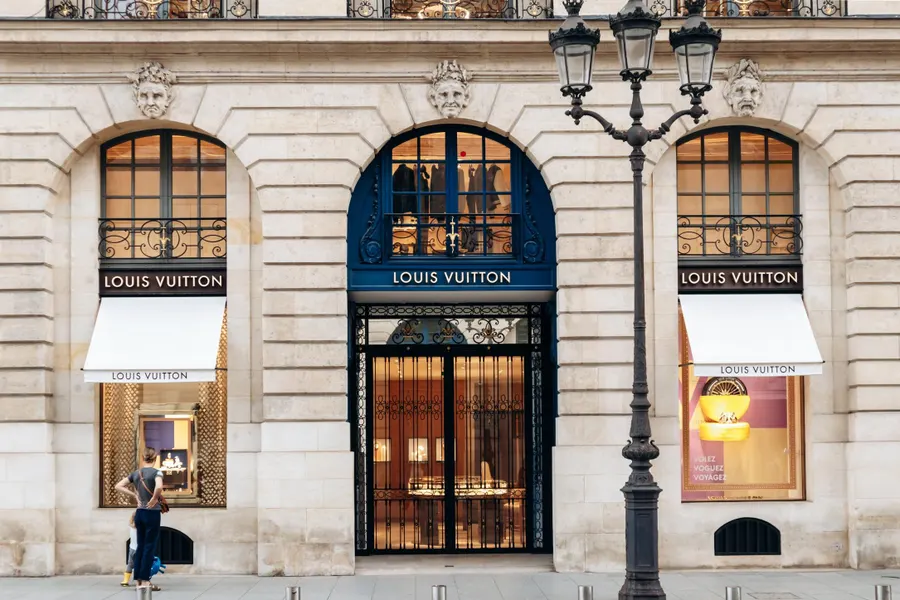
\Luxury brands represent the pinnacle Luxury Fashion Brands of craftsmanship, heritage, exclusivity, and status. From high fashion to jewelry, automobiles, and watches, these brands define elegance and sophistication across industries. Ranking luxury brands, however, is not a simple task. It involves evaluating multiple factors such as brand value, heritage, innovation, customer perception, and global influence. In this article, we explore how luxury brands are ranked and highlight some of the most iconic names dominating the industry.
What Defines a Luxury Brand?
Before diving into rankings, it’s important to understand what makes a brand “luxury.” Luxury brands are characterized by premium quality, high price points, limited availability, and strong brand identity. They often have a long history and emphasize craftsmanship, exclusivity, and emotional appeal. Consumers don’t just buy products from these brands—they buy into a lifestyle.
Key Criteria for Ranking Luxury Brands
Several factors are considered when ranking luxury brands globally:
1. Brand Value:
Organizations like Interbrand and Brand Finance assess financial performance and brand strength to determine value.
2. Heritage and Legacy:
Brands with a rich history, such as Louis Vuitton, often rank higher due to their longstanding reputation.
3. Innovation and Creativity:
Luxury brands must balance tradition with modern trends. Innovation in design and marketing plays a crucial role.
4. Global Presence:
A strong international footprint increases brand visibility and influence.
5. Customer Perception:
Exclusivity, desirability, and prestige heavily influence rankings.
Top Luxury Brands in the World
1. Louis Vuitton
Consistently ranked as one of the most valuable luxury brands globally, Louis Vuitton is known for its iconic monogram bags, leather goods, and fashion collections. Its strong brand identity, global reach, and association with status make it a leader in the luxury sector.
2. Chanel
Founded by Coco Chanel, Chanel is synonymous with timeless elegance. Its classic products like the Chanel No. 5 perfume and quilted handbags maintain enduring popularity.
3. Hermès
Hermès is renowned for its craftsmanship and exclusivity, particularly with its Birkin and Kelly bags. Limited production ensures high demand and long waiting lists, enhancing its prestige.
4. Gucci
Gucci has successfully reinvented itself over the years, blending bold designs with modern aesthetics. Its strong digital presence and appeal to younger audiences have boosted its ranking.
5. Rolex
In the world of luxury watches, Rolex stands as a symbol of precision, durability, and status. Its timeless designs and consistent quality keep it at the top.
6. Dior
Known for haute couture and elegant designs, Dior continues to influence global fashion trends. Its beauty and fragrance lines also contribute significantly to its brand value.
7. Cartier
Cartier is a leader in luxury jewelry, often associated with royalty and high society. Its iconic pieces like the Love bracelet and Tank watch are globally recognized.
8. Prada
Prada is celebrated for its minimalist yet innovative designs. It appeals to consumers seeking understated luxury.
9. Burberry
Famous for its trench coats and signature check pattern, Burberry blends British heritage with modern style.
10. Tesla (Luxury Automotive Segment)
While not a traditional luxury fashion brand, Tesla has redefined luxury in the automotive world with innovation, sustainability, and cutting-edge technology.
Emerging Luxury Brands
In addition to established giants, several emerging brands are gaining attention. Companies like Balenciaga and Bottega Veneta are rapidly climbing the ranks due to their modern designs and strong brand identity.
The Role of Digital Transformation
Digital presence has become a major factor in luxury brand rankings. Social media, e-commerce, and influencer marketing have reshaped how brands connect with consumers. Gucci, for example, has excelled in digital campaigns, making it highly appealing to younger generations.
Sustainability and Ethical Practices
Modern consumers increasingly value sustainability. Luxury brands are adapting by adopting eco-friendly materials and ethical production practices. Brands that prioritize sustainability are likely to improve their rankings in the coming years.
Challenges in Ranking Luxury Brands
Ranking luxury brands is inherently subjective. Consumer preferences vary across regions and cultures. Additionally, economic fluctuations and changing trends can impact brand performance. A brand that ranks highly today may face challenges tomorrow if it fails to innovate.
Conclusion
Ranking luxury brands involves a complex mix of financial metrics, heritage, innovation, and consumer perception. Iconic names like Louis Vuitton, Chanel, and Hermès continue to dominate due to their strong legacy and global appeal. However, the luxury landscape is constantly evolving, with new players emerging and digital transformation reshaping the industry.
Ultimately, the “best” luxury brand depends on individual preferences—whether one values heritage, innovation, or exclusivity. What remains constant is the enduring allure of luxury itself, a world where craftsmanship meets aspiration and style becomes a statement of identity.
 tarek tarek